_edited.png)
_edited.png)


12 Best Pool Safety Rules Every Family Should Know

A pool can turn an ordinary afternoon into the highlight of the week. It can also change quickly when attention shifts to a phone, a conversation, or another child. The best pool safety rules work because they create layers of protection: close supervision, strong swimming skills, secure surroundings, and adults who know what to do when seconds matter.
For families, safety should not mean making water feel scary. It means setting clear expectations so children can enjoy the pool, build confidence, and know that water deserves their full respect.
The Best Pool Safety Rules Start Before Anyone Swims
Pool safety is not one rule posted on a fence. It is a routine. Before children enter the water, an adult should check the pool area, identify who is actively supervising, and make sure the basic safety equipment is where it belongs.
That routine matters at a backyard pool, a condo amenity, a cottage, or a hotel. The setting may change, but the risks do not. A child who is comfortable in one pool may be unsure in deeper water, around waves, in a crowded setting, or when they cannot touch the bottom.
Choose one adult to watch the water
The most effective rule is simple: assign a designated water watcher. This person stays within reach of young or non-swimming children, keeps their eyes on the water, and avoids distractions such as texting, reading, cooking, or scrolling.
Saying that several adults are watching can create a dangerous gap because each person assumes someone else is responsible. If the supervising adult needs to step away, they should clearly hand the role to another adult. A verbal handoff - “You are watching the pool now” - is much safer than an assumption.
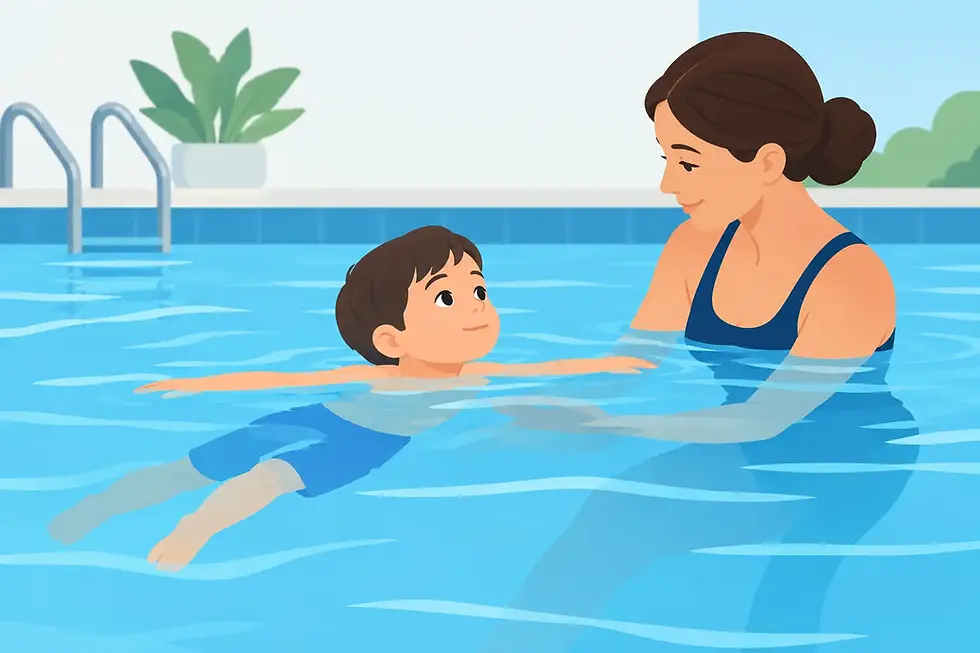
For toddlers and inexperienced swimmers, supervision should be arm's length, not from a chair across the deck. Floaties, inflatable toys, and puddle jumpers can support play, but they do not replace an attentive adult.
Set the pool rules while everyone is dry
Children are more likely to follow expectations when they hear them before the excitement starts. Keep the language direct: walk on the deck, ask before entering, no pushing, and stop immediately when an adult calls.
It also helps to create a clear entry rule. Young children should never enter the water until the supervising adult is ready and watching. This prevents the common situation where one child slips in while adults are gathering towels, applying sunscreen, or helping a sibling.
Build Swimming Skills, Not False Confidence
Swimming lessons are one of the strongest long-term layers of protection. A child who can recover from an unexpected entry, float, tread water, move through the water, and find an exit has more options in an emergency. Still, no swimming level makes supervision optional.
Confidence and skill are not always the same thing. A child may happily jump in, swim with their face in the water, or travel a short distance in a warm, familiar pool. That does not automatically mean they can manage deep water, fatigue, a sudden fall, or an unfamiliar pool with a different depth and layout.
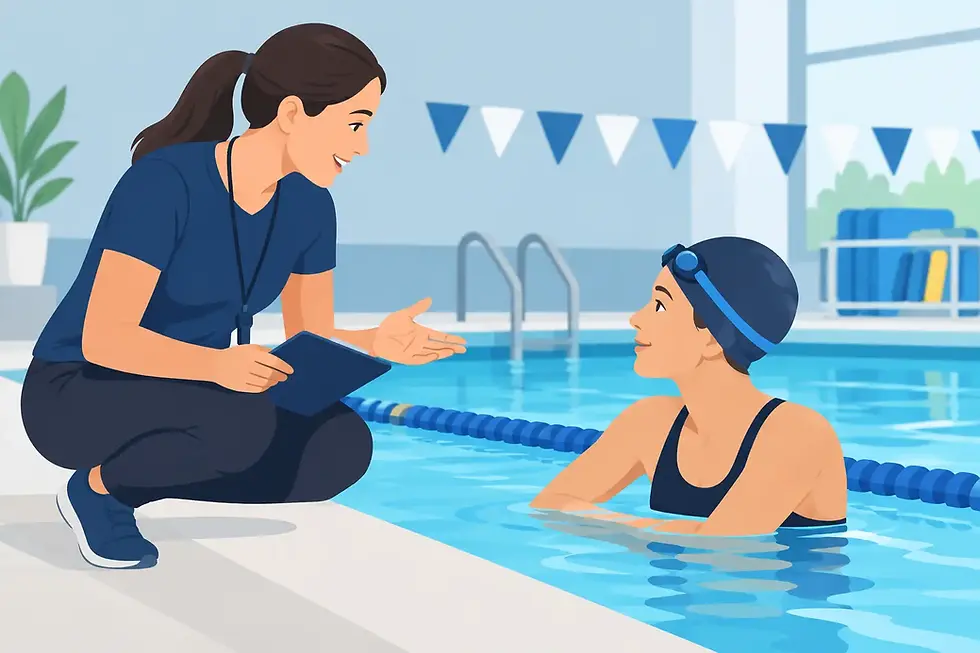
Purposeful lessons help swimmers develop skills progressively. At Aqua Elite, instructors focus on measurable progress, so families can understand what a swimmer can do independently and where they still need support. That clarity is more useful than simply labeling a child as a “good swimmer.”
Teach children how to get out
Many families practise jumping in but spend less time practising the exit. Every swimmer should know how to turn toward the pool wall, locate an edge or ladder, hold on, and climb out safely.
Practise this skill from different parts of the pool, with an instructor or supervising adult nearby. Children should also learn that if they are tired, they can roll onto their back to float, call for help, and move toward the closest safe exit rather than panic or try to race across the pool.
Match activities to the swimmer, not their age
Age can guide expectations, but ability should guide access. A confident six-year-old who is still learning to float needs closer support than an older sibling who can swim independently. Likewise, a teen may need a reminder about safe choices around diving, horseplay, and rough games.
Use lifejackets when they are appropriate, especially around open water, docks, boats, or weak swimmers. Choose a properly fitted, approved lifejacket for the activity. Water wings and inflatable loungers are toys, not personal flotation devices.
Make the Pool Area Harder to Access
Supervision reduces risk while people are present. Physical barriers protect children during the moments when adults are not expecting anyone to be near the water.
A properly maintained fence with a self-closing, self-latching gate is a vital backyard safety measure. Keep gates closed and latched every time, and avoid placing climbable furniture, planters, or toys beside the fence. Pool covers, door alarms, and gate alarms can add another layer, but their value depends on using them consistently.
Municipal requirements for pool enclosures vary across the GTA, so homeowners should confirm the rules that apply to their property. Meeting the minimum requirement is a starting point. If a household includes toddlers, visiting children, or pets, additional safeguards can be worthwhile.
Keep the deck clear as well. Wet surfaces, loose toys, hoses, and crowded furniture make slips more likely. Store pool toys after swimming so children are not tempted to reach for something floating in the water when no adult is ready to supervise.
Prevent the Risks That Look Like Fun
Most pool rules are easier to accept when children understand the reason behind them. Running raises the risk of slipping into the water or striking the pool edge. Pushing can force someone underwater before they are ready. Breath-holding contests can lead to loss of consciousness without the obvious splashing adults expect.
Make these activities non-negotiable: no running, no pushing, no holding anyone underwater, no breath-holding games, and no diving unless the pool is specifically designed and deep enough for it. Children should also wait until the landing area is clear before jumping in.
Adults need rules too. Alcohol, cannabis, and medications that impair judgment can weaken supervision and increase risky choices. If an adult has been drinking or is tired enough to lose focus, another capable adult should take over pool duty.
Have Emergency Equipment and a Simple Plan
Families do not need to live in fear to prepare for an emergency. They need to know where the tools are and what they will do first.
Keep a phone near the pool so an adult can call 911 without leaving the area. A reaching pole, life ring, or other rescue equipment should be visible and easy to access. A stocked first aid kit should be checked regularly, especially after a busy summer.
The safest rescue is often one that keeps the rescuer out of the water. If someone is struggling, call for help, reach or throw a flotation device if possible, and avoid jumping in unless you have the training and can do so safely. A panicked swimmer can unintentionally pull another person underwater.
Learn CPR and refresh it regularly
CPR and first aid training give parents, caregivers, coaches, and older teens practical skills during the minutes before emergency services arrive. Skills fade when they are not used, so current training matters. Make sure more than one adult in the household knows how to respond, especially if your family spends a lot of time around pools, lakes, or cottages.
After any water-related incident, even one that seems minor, monitor the person closely and seek medical guidance when there are symptoms such as persistent coughing, breathing difficulty, unusual sleepiness, chest discomfort, or confusion. When in doubt, treat it seriously.
Create Rules for Guests and Group Swims
Pool parties require more structure than a typical family swim. More children mean more noise, more movement, and more chances for someone to go unnoticed. Set a swimmer limit, designate water watchers in shifts, and separate younger or less confident swimmers from higher-energy games when needed.
Before guests arrive, explain your rules to parents and children. Ask about swimming ability rather than assuming it. If the group includes non-swimmers, consider keeping them in a clearly defined shallow area with a dedicated adult nearby, or plan activities away from the pool until enough supervision is available.
A little structure protects the fun. Children enjoy the water more when they know where they can play, when they can jump, and which adult they can go to if they need help.
Keep Safety Consistent All Year
The best habits are repeated, not saved for a vacation or the first hot weekend of summer. Review pool expectations at the beginning of each season, after a move, before a cottage trip, or when a child reaches a new level of independence.
As swimmers grow, update the rules with them. A toddler needs hands-on support. A school-age child needs clear boundaries and exit skills. A teen needs sound judgment, peer-pressure awareness, and the confidence to stop an unsafe game. Safety grows alongside ability.
The goal is not to make every swim feel controlled. It is to give every family member the skills, habits, and support to enjoy the water with greater confidence. A calm adult, a prepared pool area, and a child who knows what to do can make all the difference.

Comments